City invites residents to community information sessions: Polyphagous Shot Hole Borer beetle (PSHB) pest
21 November 2025
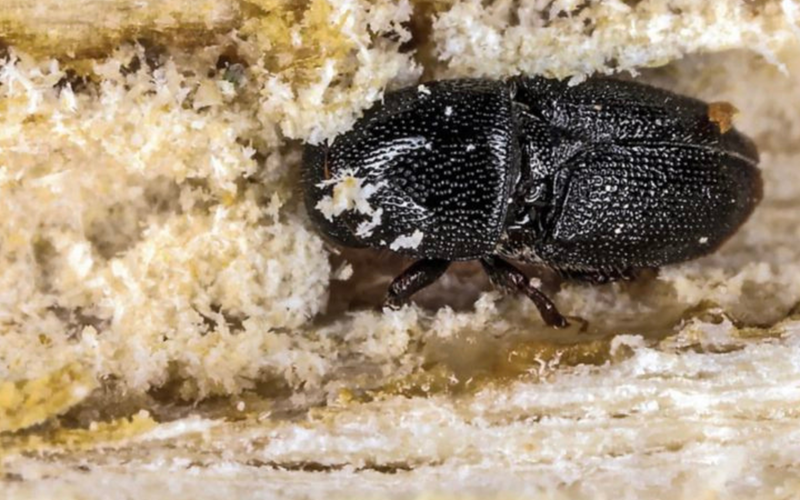
The City of Cape Town is inviting all residents or businesses that handle trees and plant material to the upcoming PSHB information sessions in Claremont, Pinelands, Durbanville, Kraaifontein and Somerset West. These sessions will educate the public on how to identify infested trees and manage and transport beetle infested biomass to prevent the spread of the pest as far as possible.
The PSHB beetle poses a serious threat to Cape Town's urban forest and biodiversity.
To date, PSHB has been confirmed in over 6 000 trees in the City among which Boxelders, London Planes, English Oaks, Beef Wood, Weeping Willow, Cape Chestnut, Black Locust, Paperbark and Maples. The following areas are affected: Somerset West, Strand, Penhill, Newlands, Constantia, Rondebosch, Observatory, Mowbray, Rosebank, Claremont, Kenilworth, Wynberg, Diep River, Pinelands, Durbanville, Brackenfell, Kraaifontein, Bellville and Parow North.
The details of the final round of PSHB information sessions for 2025 are as follows:
Durbanville
Date: Tuesday, 25 November 2025
Time: From 16:00 to 18:00
Venue: Durbanville Library, Corner of Oxford and Koeberg Road, Oxford St, Durbanville
Bellville
Date: Wednesday, 26 November 2025
Time: 9:30 to 12:00
Venue: Bellville Library, Carl Van Aswegen St, Bellville
Constantia
Date: Tuesday, 9 December 2025
Time: 9:30 to 12:00
Venue: Alphen Centre, Main Road, Constantia
Gordon’s Bay
Date: Thursday, 11 December 2025
Time: 16:00 to 18:00
Venue: Gordon’s Bay Library, 6 Watt St, Gordons Bay Central
Kraaifontein
Date: Monday, 15 December 2025
Time: 16:00 to 18:00
Venue: Kraaifontein Public Library, Brighton Rd, Windsor Park, Kraaifontein.
‘Improper handling, movement and disposal of PSHB infested material continues to aid the spread of PSHB across the city. The use of pesticides and fungicides have not proven to be effective at eradicating PSHB from infected trees. Thus, infested tree and plant material must be chipped, incinerated or solarised. We need the support and collaboration of residents and businesses working with plant material to prevent the spread of the pest. There are many formal and informal businesses involved with gardening and landscaping space. These are gardeners, nurseries, horticulturists, tree fellers, woodcutters, and many more. We are also encouraging residents to attend, especially if you have trees on your private property,’ said the City’s Deputy Mayor and Mayoral Committee Member for Spatial Planning and Environment, Alderman Eddie Andrews.
The City will focus on the protocols applicable to infested trees and biomass, among which:
• How to identify infested trees and what symptoms to look out for
• What to do next, what not to do
• How to handle infested biomass
• How to safely dispose of infested biomass
• How to transport green waste
• How to handle equipment and machinery in a manner that will not spread the pest to other areas
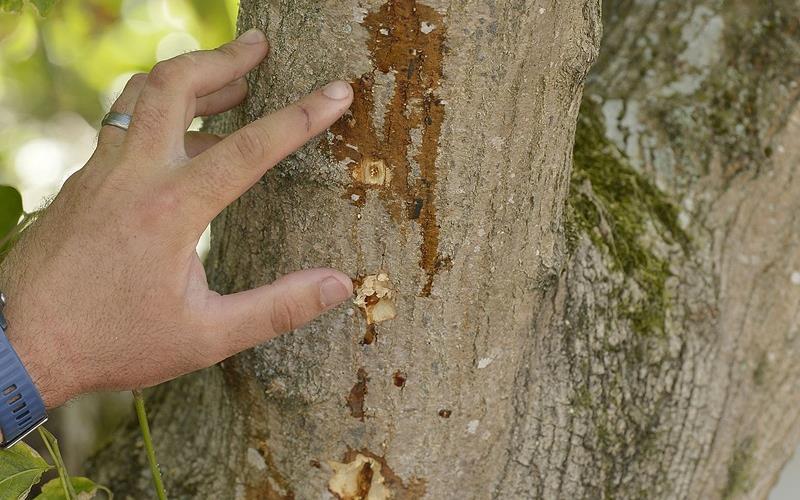
What residents should look out for and symptoms of infested trees:
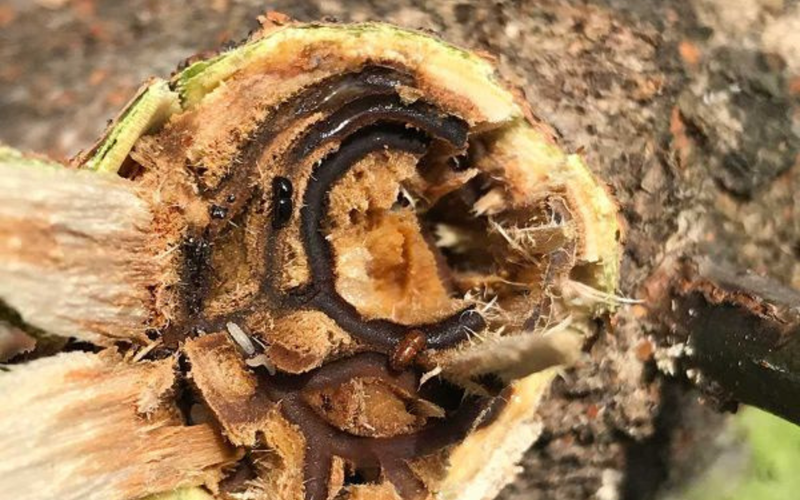
Branch dieback – cracks on the branch; discoloured leaves; dry and leafless branches; branch break-off revealing webs of galleries filled with black fungus
Gumming – blobs of goo coming out of the bark; oozing of liquid and gum from the beetle holes
Entry and exit holes – very small holes on the bark of the tree, the size of a sesame seed (2mm); shotgun-like scars developing around the holes
Staining – brown or dark stains on the bark of the tree
How to report PSHB beetle sightings:
End
Published by:
City of Cape Town, Media Office